
SpaceX Starship Successfully Completes First Orbital Refueling Test
Hawthorne, CA — In a milestone moment for deep-space exploration, SpaceX has successfully demonstrated orbital propellant transfer between two Starship vehicles, a critical capability for future lunar and Martian missions.
The Mission
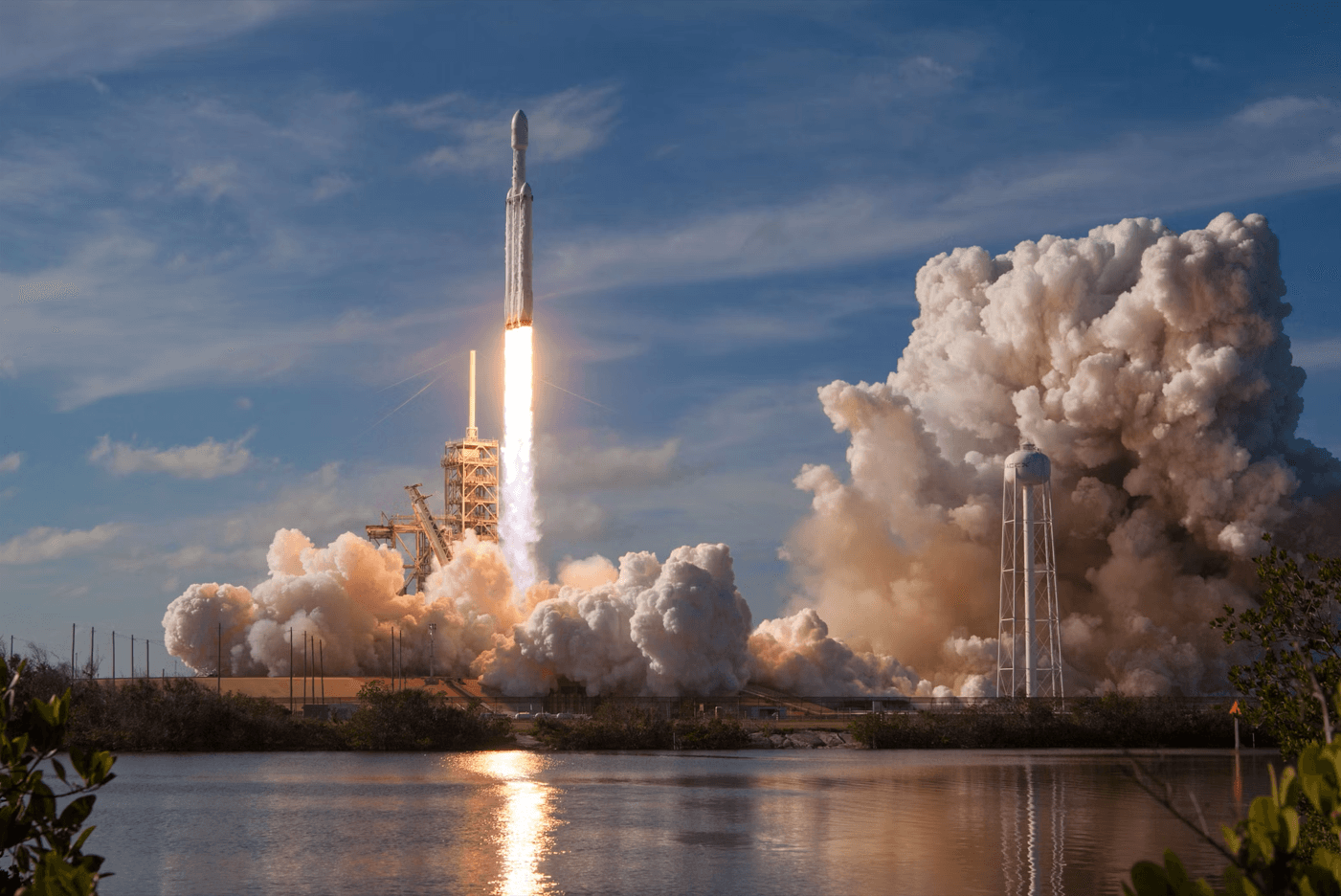
At 8:47 a.m. EDT Tuesday, Starship 28 lifted off from Starbase, Texas, carrying a full load of liquid methane and liquid oxygen. Approximately 90 minutes into flight, the spacecraft docked with a target "tanker" Starship already in low-Earth orbit and transferred over 10 metric tons of cryogenic propellant.
"This is the foundational technology that will enable humanity to become multi-planetary," said NASA Administrator Bill Nelson in a statement following the test.
Why It Matters
Orbital refueling is essential for NASA's Artemis program. Because Starship cannot carry enough fuel to reach the Moon in a single launch, it must tank up in Earth orbit first. Tuesday's test validates the physics and engineering required for that approach.
- Propellant transferred: 10+ metric tons
- Duration: 42 minutes
- Orbit altitude: ~230 km
What's Next
SpaceX and NASA will now analyze the data before attempting a larger-scale transfer later this year. The next major milestone is an uncrewed lunar landing demonstration, currently scheduled for late 2026.
"Every great aviation achievement in history required refueling. Orbit is no different," said SpaceX CEO Elon Musk on X.
NASA's contract with SpaceX, valued at approximately $4 billion, requires the company to conduct an uncrewed lunar landing before astronauts set foot on the surface under the Artemis III mission.`